Ozzy Osbourne, Dario Amodei and Elon Musk walk into a bar.....
Jeff Bezos and Sundar Pichai are in the corner playing pool.
Discover more

Jeff Bezos and Sundar Pichai are in the corner playing pool.

SpaceX filed its S-1 on 3 June, pricing its IPO at $135 per share with net proceeds of ~$74.4bn. Q1 2026 revenue hit $4.69bn as Grok ships voice, video and coding updates.

Anthropic has confidentially filed a draft S-1 with the SEC, opening the door to a potential IPO as the company hits a $965 billion valuation and $47 billion revenue run rate.

with appearances on interactive touchscreens in the US and UK expected before the end of summer. Birmingham, Osbourne's hometown, is first in line.

OpenAI Publishes Evaluation Playbook as Frontier Model Testing Comes Under Scrutiny

OpenAI launches Rosalind Biodefense, giving vetted developers and government partners access to its life sciences AI model to build pandemic and biosecurity tools.

Google's I/O 2026 announcements accelerate the march toward "Google Zero" — the moment Search stops sending users to the web and simply becomes the destination itself

Pope Leo's encyclical on AI is one of the most serious documents written on the subject. The launch optics undermined it before most people read a word.
Jeff Bezos and Sundar Pichai are in the corner playing pool.
Pope Leo's encyclical on AI is one of the most serious documents written on the subject. The launch optics undermined it before most people read a word.
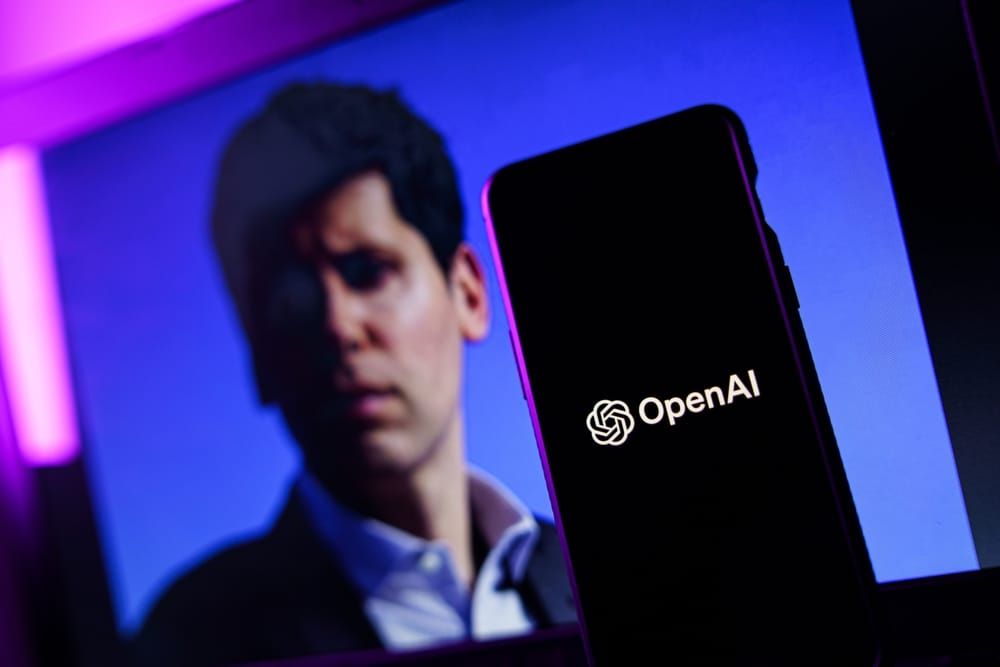
As Elon Musk testifies in Oakland, the lawsuit over OpenAI’s for-profit conversion establishes a high-stakes benchmark for AI governance and fiduciary duty.

The new partnership gives Cursor unprecedented compute access and gives SpaceX a path to dominate agentic software development.

While it promises rapid vulnerability detection, the emergence of Anthropic’s latest AI raises questions about security risks, defensive preparations, and the future of knowledge work.

Cycode’s Top AI Security Vulnerabilities to Watch out for in 2026 report outlines rising risks across prompt injection, data exposure, and AI supply chains.

Security models are no longer enough as multi-modal attacks overwhelm traditional controls, forcing a rethink of enterprise trust systems.

MCP is rapidly transforming how AI agents interact with enterprise systems, opening up a new class of supply chain, identity, and governance risks that security teams can’t ignore.

Hefty cash burn threatens OpenAI’s longevity in the face of self-funded competitor.

Google DeepMind CEO warns that defensive systems must outpace AI-powered attack vectors as AGI approaches.
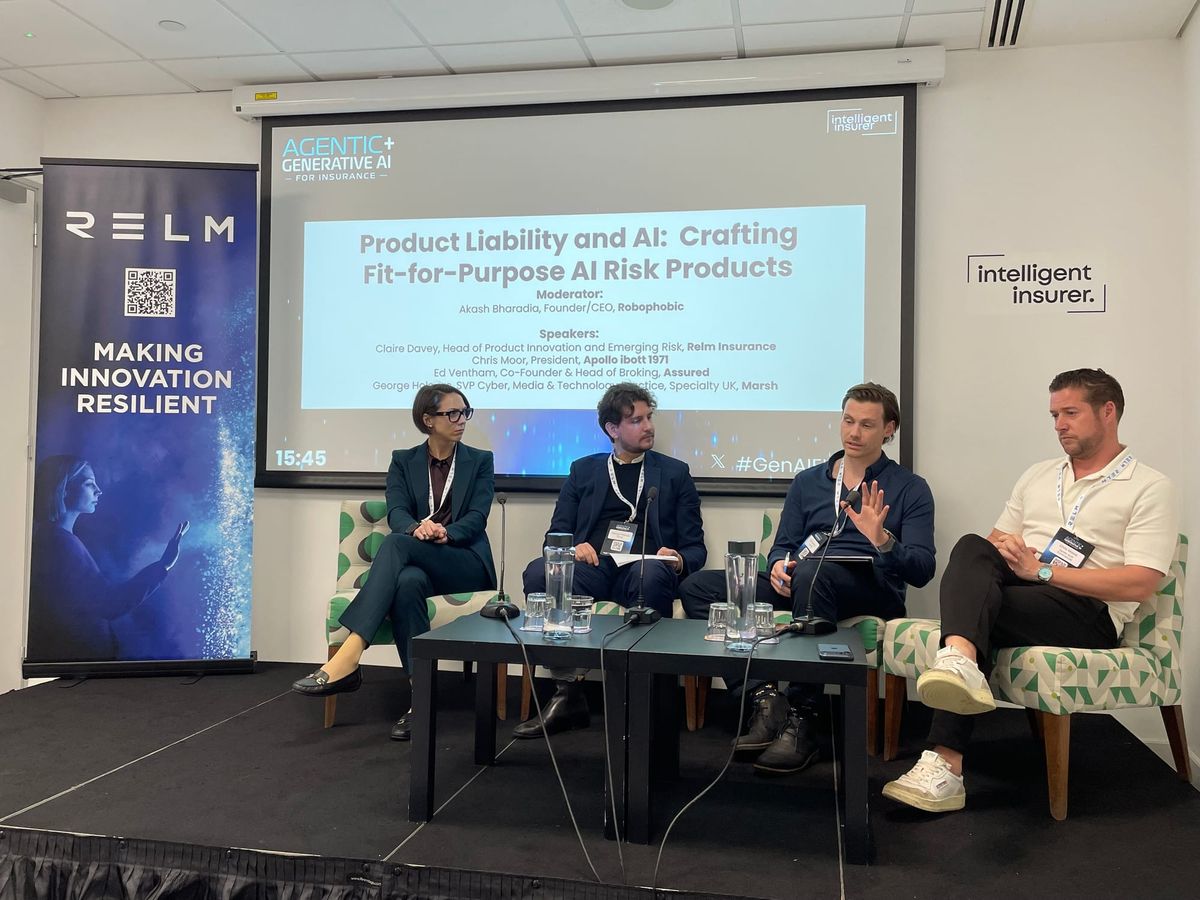
From the EU AI Act to cyber policy wording, panelists examined how emerging regulation and insurance structures intersect with enterprise AI deployment.
![Emotional Perception AI Limited v. Comptroller General [2026]](https://images.unsplash.com/photo-1593115057322-e94b77572f20?crop=entropy&cs=tinysrgb&fit=max&fm=jpg&ixid=M3wxMTc3M3wwfDF8c2VhcmNofDJ8fGdhdmVsfGVufDB8fHx8MTc3MDgzNDQzN3ww&ixlib=rb-4.1.0&q=80&w=1200)
Supreme Court allows appeal in Emotional Perception AI v. Comptroller General, mandating EPO-aligned test for computer-implemented inventions under UK law.

Experts discuss the practical steps organizations must take to secure AI, protect data, and operationalize responsible deployments.

Anthropic embeds governance, approvals, and existing software permissions into new SME AI workflows.

SAP and NVIDIA expand their partnership to add runtime security, policy enforcement, and governance controls for enterprise AI agents.

Johnson brings two decades of knowledge from Goldman Sachs, board chops from Pfizer, Intuit, The Brookings Institution.
Partnership unveil DSX AI factories designed to accelerate grid connection and enable flexible, energy-responsive data centers

Hybrid AI infrastructure tools with AWS and SAP integrations enable controlled, scalable enterprise AI deployment, says IBM.

Hyperscale AI infrastructure growth puts pressure on the ability to match electricity use with renewables by 2030.